Cost-effective Audi Parts for Sale – Upgrade Your Ride
Upgrading an Audi need not be a pricey endeavor. With varied online retailers and local salvage yards supplying affordable parts, enthusiasts can find quality components that fit their budget. From performance enhancements to aesthetic upgrades, options are plentiful. However, the challenge lies in identifying the best sources and understanding what truly adds value. As the market expands, knowing where to start becomes necessary for any Audi owner seeking improvement. What steps should one take next?
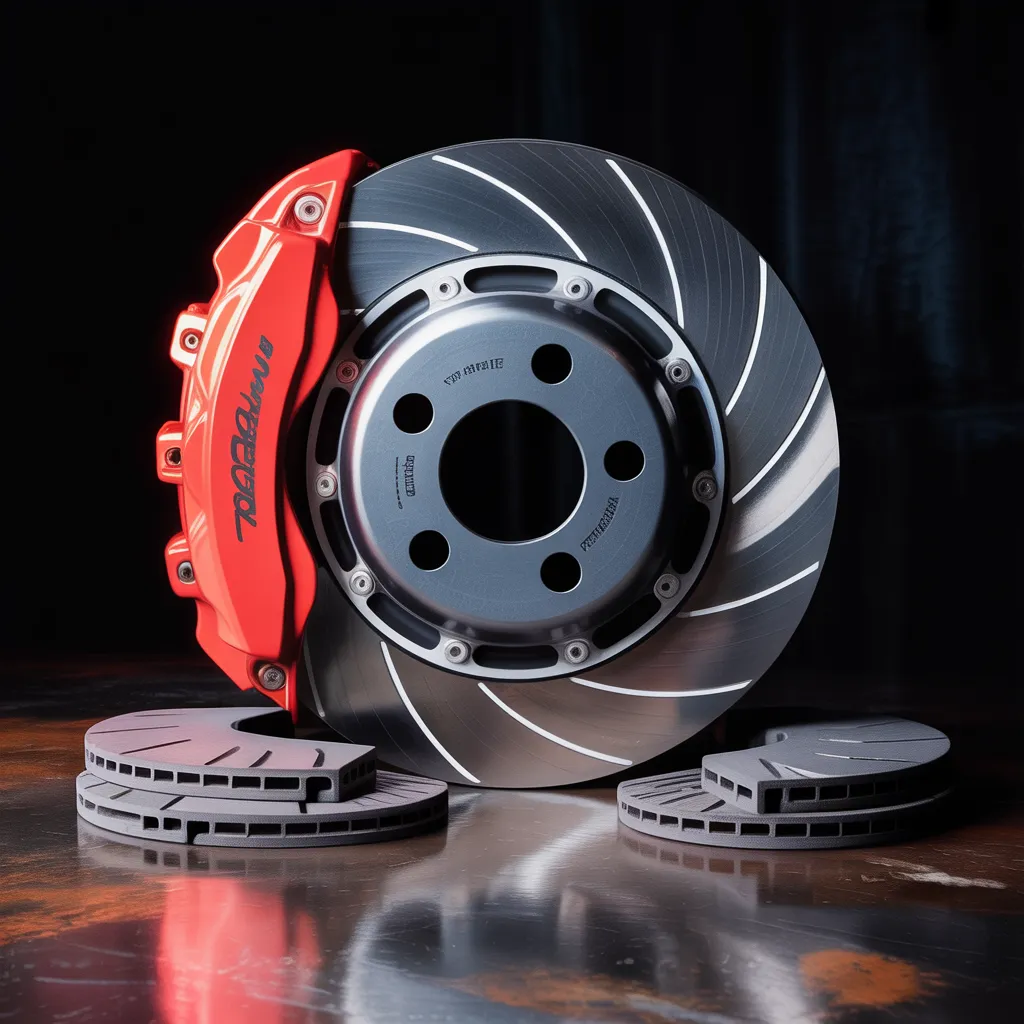
How to Find Cheap Audi Parts
Where might vehicle enthusiasts source affordable Audi parts without sacrificing quality? Many enthusiasts turn to reputable online retailers specializing in car components. Websites focused on Audi parts often provide a comprehensive range, ensuring that customers can find what they need at fair prices. Moreover, forums and communities devoted to Audi ownership can act as helpful platforms. Members frequently share leads on trusted suppliers or used parts that maintain high standards of quality.
Local salvage yards also provide an economical choice for sourcing used Audi parts. These yards generally have a variety of vehicles, enabling enthusiasts to find specific components at lower prices. It is see this article crucial for buyers to verify the condition of used parts to confirm reliability. Finally, aftermarket manufacturers often produce cost-effective alternatives that meet or exceed OEM specifications. By exploring these avenues, Audi owners can successfully find affordable parts without sacrificing performance or quality.
Cost-Effective Performance Improvements for Your Audi
Many Audi owners pursue affordable performance upgrades to improve their driving experience without breaking the bank. A well-liked option is upgrading the air intake system, which improves engine efficiency and responsiveness. Additionally, performance exhaust systems can grant a noticeable increase in horsepower while enhancing the vehicle's auditory appeal.
A further cost-effective upgrade is the remapping of the ECU, enabling better throttle response and increased power output. Suspension upgrades, like sport springs or sway bars, can additionally improve handling and stability, rendering the vehicle more pleasurable to drive.
Finally, weight-reducing wheels both boost visual appeal but also minimize unsprung weight, resulting in better acceleration and braking performance. By targeting these inexpensive performance upgrades, Audi owners can greatly raise their vehicle’s capabilities while maintaining budgetary constraints.
Cost-Effective Audi Design Upgrades
While enhancing capabilities is important, many Audi owners also focus on visual improvements that can raise their vehicle's visual appeal without high costs. Simple modifications can noticeably change the overall look of an Audi. For example, aftermarket grilles and custom decals offer a distinctive flair, allowing owners express their personal style.
Upgrading with LED technology, both inside and outside, enhances visibility and modernizes the vehicle's design. In addition, premium floor mats and seat covers can refresh the interior at minimal cost.
Wheel refinishing or replacing to stylish alloy rims can dramatically change the car's appearance and character. Moreover, window tints not only improve privacy but also add a sleek finish.
Audi fans can benefit from these economical aesthetic modifications to enjoy a individualized ride reflecting their personal style without burdening their wallets. Through selective choices, drivers can create a unique look that complements their driving experience.
DIY Setup Tips for Audi Parts
For Audi enthusiasts seeking to boost both efficiency and aesthetics, attempting DIY installations can be a beneficial experience. First, study the exact part to grasp its function and installation details. Online forums and manufacturer manuals provide valuable insights that can ease the process.
Having the right tools is essential; a garage stocked with basic hand tools, torque wrenches, and specialty Audi tools will ensure installations go smoothly. Also, make sure the vehicle is parked on a level surface and all safety precautions are followed, which includes using jack stands.
Before beginning, organize all components and hardware to prevent confusion. It’s wise to take photos during disassembly to help during reassembly. Finally, if any challenges arise, consulting a professional or seeking help via online communities can offer guidance and guarantee the installation meets high standards. With patience and attention to detail, DIY enthusiasts can effectively upgrade their Audi.
Choosing the Best Standard Audi Parts on a Budget
Finding high-quality Audi parts on a limited budget can be a difficult task for owners who want to keep up their vehicle's functionality without breaking the bank. To manage this landscape, it is important to find dependable sources. Well-known online retailers often provide reasonable prices and customer reviews, helping buyers assess product quality.
When choosing parts, opting for OEM (Original Equipment Manufacturer) components guarantees compatibility and long-lasting performance, though they may be costlier. Alternatively, aftermarket parts provide significant savings, but thorough research is required to avoid inferior quality.
Another method involves exploring local salvage yards or automotive forums, where enthusiasts offer used parts at discounted prices. Setting a budget and emphasizing essential upgrades can also help in making informed decisions. By leveraging these options, Audi owners can maintain cost savings with quality, ensuring their vehicles stay in peak condition without financial hardship.
Maintaining Your Audi: Tips for Lasting Performance
Proper upkeep is crucial for extending the longevity of an Audi. Regular oil changes, usually every 5,000 to 10,000 miles, ensure that the engine operates efficiently. Checking and replacing air filters enhances fuel efficiency and engine performance. Routine inspections of the brakes, tires, and suspension components help detect wear and tear before they escalate into costly repairs.
Maintaining proper tire pressure not just improves safety but also enhances fuel efficiency. Additionally, monitoring fluid levels—such as coolant and brake fluid—can prevent overheating and other mechanical issues.
Using top-quality parts, whether OEM or aftermarket, adds to the vehicle's endurance. Regularly scheduled maintenance, as indicated in the owner's manual, is important for preserving the Audi's performance and resale value. By complying with these recommendations, Audi owners can rely on their vehicles for years, guaranteeing a dependable and enjoyable driving experience.
Regularly Fielded Questions
Are Aftermarket Parts as Dependable as OEM Parts for Audis?
Aftermarket components may be solid, but quality varies considerably among brands. Some may match or exceed OEM standards, while others might not. Inquiries and reviews are essential to certify suitable performance and durability for Audis.
How can I confirm the genuineness of Audi components?
To confirm the genuineness of Audi parts, one should inspect packaging for authentic logos, refer to vehicle identification numbers, buy from authorized dealers, and review product documentation, ensuring adherence with Audi's requirements and standards for quality.
What Types of Warranties Exist for Economical Audi Parts?
Various guarantees are offered for budget-friendly Audi parts, including producer guarantees, limited lifetime guarantees, and prolonged maintenance packages. Each option offers coverage for defects, ensuring customers get quality components for their vehicles.
How to Combine and Pair Components From Different Audi Models?
Mixing and pairing parts from different Audi editions can be achieved, though compatibility varies. It is important to verify the technical details and get advice from a professional to secure peak performance and avoid potential issues regarding functionality or safety.
How to check if a part is compatible for my Audi?
To confirm if a component is appropriate with an Audi, you should check the vehicle identification number (VIN), refer to the owner's manual, or refer to esteemed online databases and forums dedicated to Audi parts compatibility.